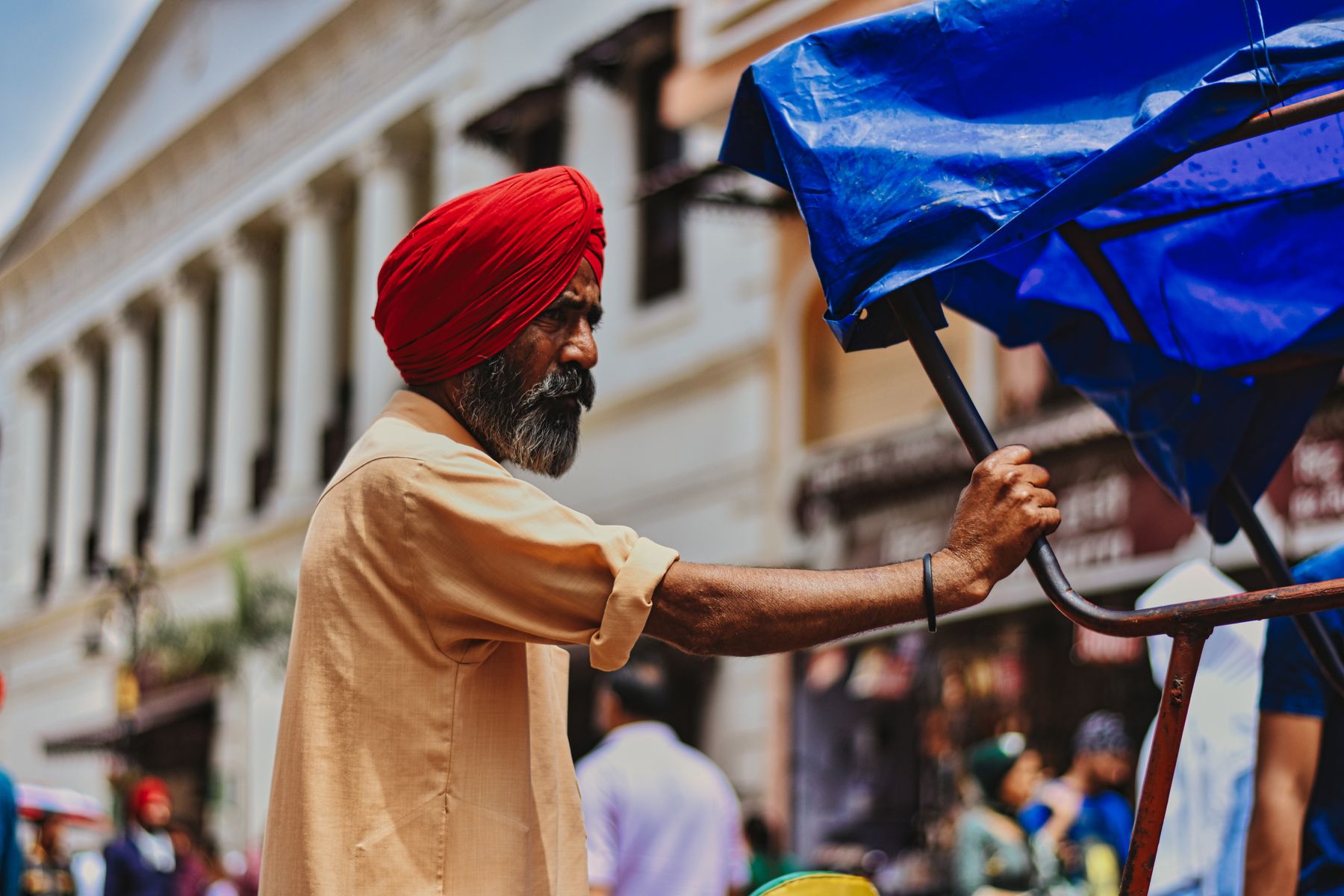
Patiala, Sangrur and Barnala: A Royal Malwa Heritage Loop
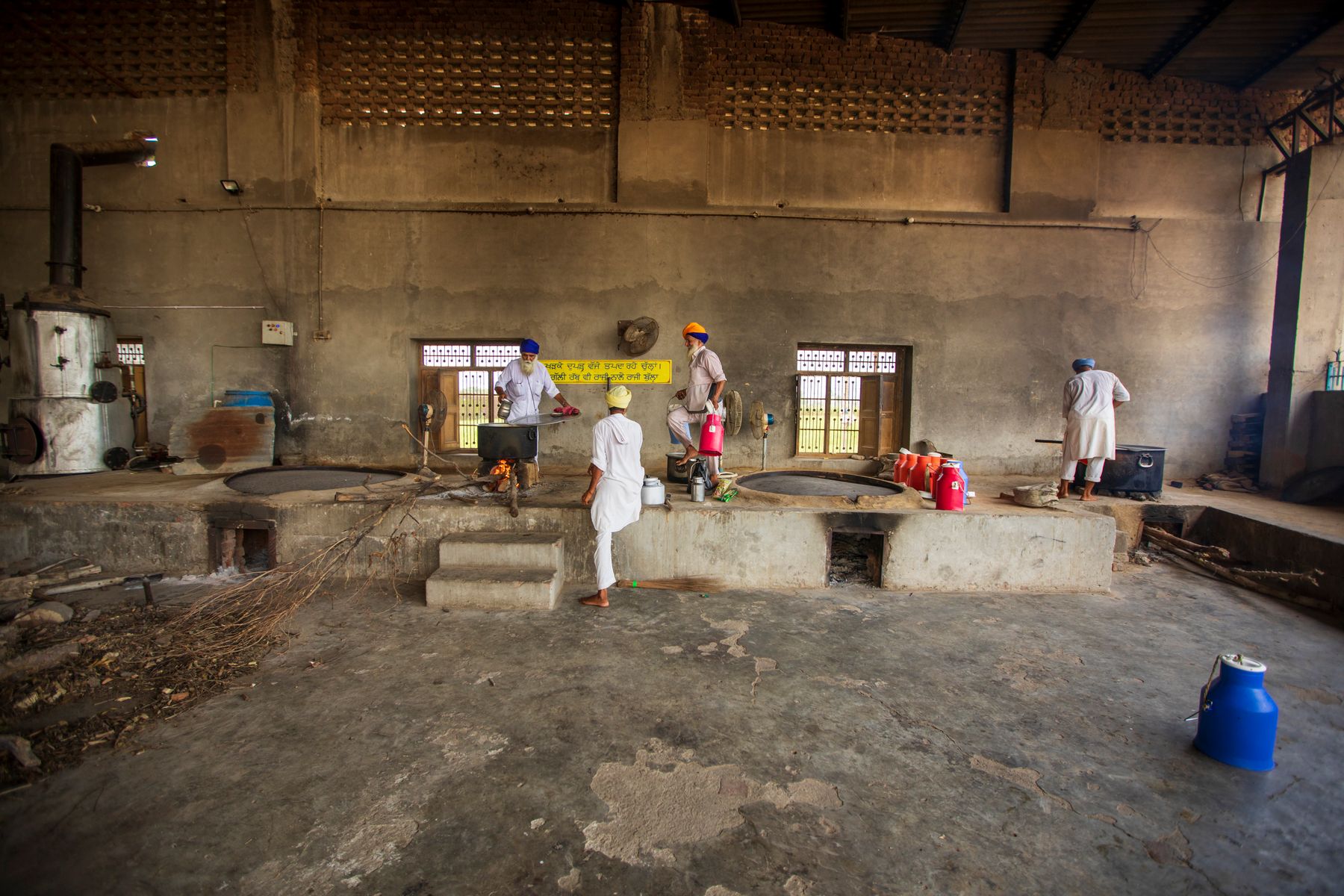 Patiala, Sangrur and Barnala: A Royal Malwa Heritage Loop
A driving loop through Punjab's Malwa belt, linking Patiala's royal core with the quieter heritage of Sangrur and Barnala, with practical stops and honest advice on where to base yourself.
Patiala: The Royal Core
Start in Patiala, the anchor of this loop. The city's identity is inseparable from the Sidhu Jat Sikh dynasty that ruled here, and the Qila Mubarak complex is the obvious first stop — a labyrinth of courtyards and corridors that rewards a slow walk. Entry is free for the outer sections, though some inner museums charge a small fee. Nearby, the Sheesh Mahal offers mirror work and a small museum, and the Baradari Gardens provide a green escape. Plan two nights here to see it without rushing, and book a hotel in central Patiala so you can walk to the old city at dusk.
Patiala is also a food city. The famous Patiala peg may be a cliché, but the local lassi and paneer dishes are not. For a day trip, head to Bahadurgarh Fort, about 20 kilometres southwest, or visit the Punjab State Archives if you are interested in genealogical research. Avoid the summer months of May and June, when temperatures regularly exceed 40°C; October to March is far more comfortable. If you are coming from Chandigarh, the drive is about 70 kilometres on NH7 and takes roughly 1.5 hours.
Sangrur: Quiet Malwa Heritage
From Patiala, drive southwest to Sangrur, about 60 kilometres and 1 hour 20 minutes via NH7 and SH11. Sangrur is a smaller city with a laid-back feel. Its main historical draw is the Banasar Bagh, a garden complex with a colonial-era baradari and a small zoo. The garden is free to enter and makes for a pleasant morning stroll. The Gurdwara Gangsar Sahib, about 5 kilometres from town, is a significant Sikh shrine with a peaceful sarovar. Sangrur is not packed with sights, so one night is enough. Book a hotel near the bus stand or the main bazaar for easy access to transport and food.
Sangrur is also a good base for exploring nearby villages known for handloom and phulkari embroidery. You can visit local artisan clusters, but do not expect a formal tour; ask at your hotel for contacts. The best time to visit is during the winter months, when the weather is pleasant for walking. Avoid the monsoon, as the roads to nearby villages can become muddy. If you are continuing to Barnala, the drive is about 30 kilometres and takes 45 minutes on NH7.
Barnala: The Hidden Stop
Barnala is often overlooked, but it has its own charm. The city is known for its grain market and cotton mills, but heritage travellers will appreciate the old havelis in the narrow lanes of the old town. There is no major monument here, so do not come expecting grandeur. Instead, use Barnala as a stopping point between Sangrur and Bathinda, or as a place to experience a typical Malwa town without tourist crowds. One night is sufficient. Book a hotel near the court complex or the bus stand for convenience.
From Barnala, you can visit the Dhillon Fort in nearby Rureke Kalan, about 15 kilometres away, which has been converted into a heritage hotel. Even if you are not staying there, you can visit for a meal or a walk around the grounds. The drive from Sangrur to Barnala is straightforward, and the roads are in good condition. The best season is again winter, from November to February, when the days are mild. If you are short on time, you could skip Barnala and head directly to Bathinda, which has more substantial attractions.
Practical Loop and Where to Book
The full loop — Patiala to Sangrur to Barnala and back to Patiala — is about 200 kilometres and can be done in three to four days. If you are coming from Amritsar, the drive to Patiala is around 230 kilometres and takes about 4.5 hours on NH54 and NH7. Chandigarh is a common entry point, with frequent trains and buses to Patiala. For accommodation, book a hotel in Patiala for the first and last nights, as it has the widest range of options, from budget guesthouses to mid-range hotels. In Sangrur and Barnala, options are limited to basic hotels and guesthouses, so book ahead.
My recommendation: spend two nights in Patiala, one in Sangrur, and skip Barnala unless you have a specific interest in rural heritage. Alternatively, base yourself in Patiala and do Sangrur as a day trip if you are pressed for time. Avoid driving at night on rural roads, as they are poorly lit. For the best experience, travel between October and March, and book your hotels at least a week in advance, especially during the harvest season when business travellers fill up rooms. Use the search tools on this site to compare hotels in Patiala and Sangrur.
Before you book
The questions people ask about Patiala, answered with this month’s numbers.
October to March is ideal, with mild days and cool evenings. Avoid May and June, when temperatures often exceed 40°C, and the monsoon months of July and August, when rural roads can be muddy.
Three to four days is enough to cover Patiala, Sangrur and Barnala at a relaxed pace. If you skip Barnala, three days works well, with two nights in Patiala and one in Sangrur.
Patiala has the best range of hotels, from budget to mid-range, so book there for the first and last nights. Sangrur and Barnala have limited options, mostly basic guesthouses, so reserve ahead.