Punjab's Luxury Table: Beyond the Dhaba
 Punjab's Luxury Table: Beyond the Dhaba
From Amritsar's heritage havelis to Chandigarh's modern kitchens, here's where to eat well and stay well on a Punjab trip.
Amritsar: Ritual, Refinement and a Bed Nearby
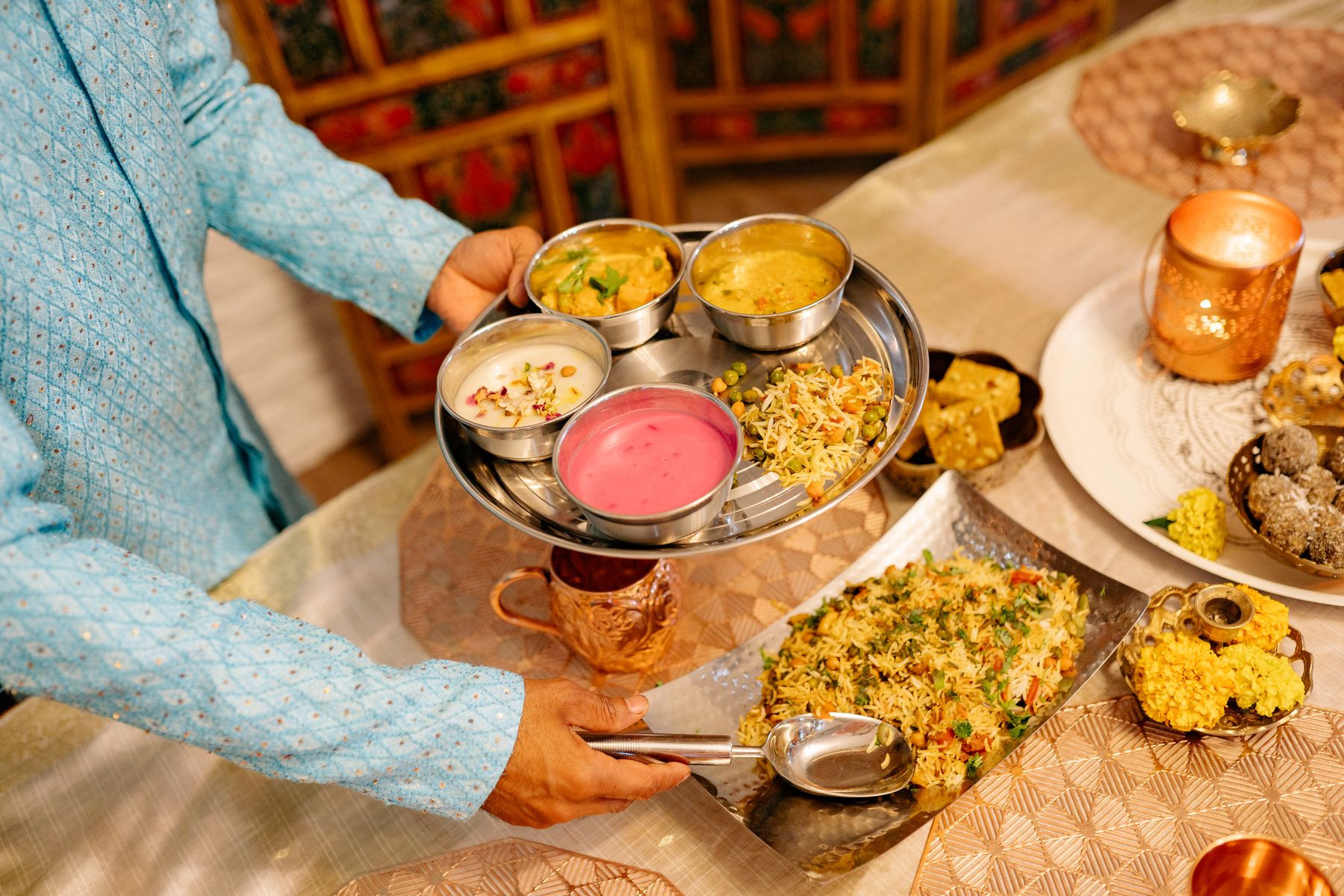
Start in Amritsar, where the city's famous dhabas have their luxury counterparts. For a refined Punjabi thali, head to the area around Lawrence Road, where several upscale restaurants serve classics like dal makhani and sarson da saag with polished service. Expect to pay ₹800–1,500 per person for a full meal. The best months are October to March, when the weather is cool and walking the old city is pleasant. Stay within a kilometre of the Golden Temple to be close to both the food and the early-morning rituals.
For a splurge, try the kitchens inside heritage properties near the Gobindgarh Fort. They offer set menus that reinterpret Punjabi favourites with local produce. A taxi from Amritsar railway station to the fort area takes about 15 minutes and costs ₹150–250. If you prefer modern Indian cuisine, the Ranjit Avenue district has several stylish spots open until 11 pm. I would book a hotel in the walled city for atmosphere, but if you want quiet, choose a property in Ranjit Avenue. Both are within easy reach of the food.
Skip the overpriced buffet at large chain hotels; instead, ask your hotel for a recommendation to a family-run place that serves makki di roti and sarson da saag in winter. The Amritsar food scene is best explored on foot, so wear comfortable shoes. For dessert, look for a shop selling pinni or jalebi near the Hall Bazaar. A word of caution: some places close on Mondays, so check ahead. The city is compact, and you can cover the main food areas in two days without rushing.
Chandigarh: Modern Plates and Planned Streets
Chandigarh's food scene is a contrast to Amritsar's old-city charm. Sector 17, the commercial heart, has a mix of upscale cafes and restaurants serving everything from Punjabi to continental. For a fine-dining experience, head to Sector 26, where you'll find a cluster of restaurants with global menus and local twists. Expect to pay ₹1,200–2,000 for two. The city is easy to navigate by car, and taxis are readily available. The best time to visit is from September to November or February to April, avoiding the summer heat.
Stay in Sector 17 or Sector 22 if you want to be within walking distance of the main food areas. Hotels here range from budget to luxury, and many have in-house restaurants worth trying. A drive from Chandigarh railway station to Sector 17 takes about 10 minutes. For a unique experience, try the Sector 26 food street, where you can sample multiple cuisines in one evening. If you're a food lover, I would book a hotel in Sector 17 for convenience, but Sector 22 offers quieter streets and is just a short auto-rickshaw ride away.
Don't miss the chance to try Chur Chur Naan, a stuffed bread that's a Chandigarh specialty, at a local eatery in Sector 22. For dessert, the city's bakeries in Sector 9 are excellent. Avoid eating at the bus stand; instead, explore the sectors. The city is safe and clean, and you can walk around most areas after dark. If you have time, take a day trip to the nearby Morni Hills for a change of scenery and a meal at a roadside restaurant.
Jalandhar, Ludhiana and Mohali: Local Flavours, Comfortable Stays
Jalandhar is known for its street food, but luxury dining is growing. The Model Town area has several upscale restaurants serving Punjabi and Mughlai dishes. A meal for two costs around ₹1,000–1,500. The city is well-connected by road and rail; from Jalandhar City station, most hotels are a 10-minute drive. Best months are October to March. For a comfortable stay, book a hotel in Model Town or near the bus stand, where you'll find modern amenities. Don't skip the local kulfi and gulab jamun at a sweet shop in the main bazaar.
Ludhiana, the industrial hub, has a surprising number of fine-dining spots. Sarabha Nagar and Ferozepur Road are the main areas for upscale eating. Expect to pay ₹900–1,800 for two. The city is busy, so stay near your dining destination to avoid traffic. Mohali, adjacent to Chandigarh, offers a quieter alternative with easy access to Chandigarh's restaurants. Phase 5 and 7 have good hotels and eateries. From Mohali, you can reach Chandigarh's Sector 17 in about 20 minutes by car. I would book a hotel in Mohali if you want a blend of calm and convenience.
In all three cities, avoid chain restaurants that you can find elsewhere; instead, seek out local places that specialize in Punjabi cuisine. For a luxury experience, look for hotels with rooftop restaurants or heritage-style decor. The region is best explored by car, and you can hire a taxi for a day for around ₹2,500–3,500. Remember to carry cash for smaller eateries, as not all accept cards. If you're short on time, prioritize Amritsar and Chandigarh, as they offer the most diverse food scenes.
Before you book
The questions people ask about Chandigarh, answered with this month’s numbers.
October to March offers pleasant weather, ideal for exploring food streets and outdoor dining. Summers are very hot, and monsoon can disrupt travel. Winter also brings seasonal specialties like sarson da saag and makki di roti.
Chandigarh and Amritsar lead, with Chandigarh offering modern restaurants and Amritsar providing heritage experiences. Jalandhar and Ludhiana are growing but have fewer high-end options. For variety, Chandigarh is the top choice.
A meal for two at an upscale restaurant typically costs ₹1,000–2,000. Heritage or fine-dining establishments in Amritsar and Chandigarh may charge ₹1,500–2,500. Street food and local dhabas remain very affordable, at ₹200–500 for two.